
At the heart of life is DNA.
DNA is one of life's essential building blocks. Found inside nearly every cell in your body, it carries the instructions that help cells grow, repair themselves, and do their work.
An illustrated story of DNA replication
Every day, a quiet miracle happens inside you.You do not see it, but new cells are being made all the time. Before one cell can become two, its DNA must copy itself. Deep inside, a precise choreography begins. This is the story of DNA, and how life carries itself forward.
Begin with oneDNA is one of life's essential building blocks. Found inside nearly every cell in your body, it carries the instructions that help cells grow, repair themselves, and do their work.
Human DNA is far too long to copy from one end. So the work begins at many points along the chromosomes. We will follow one.
An enzyme releases the tension ahead. Then helicase opens the double helix into two strands, while small proteins hold the exposed DNA apart.
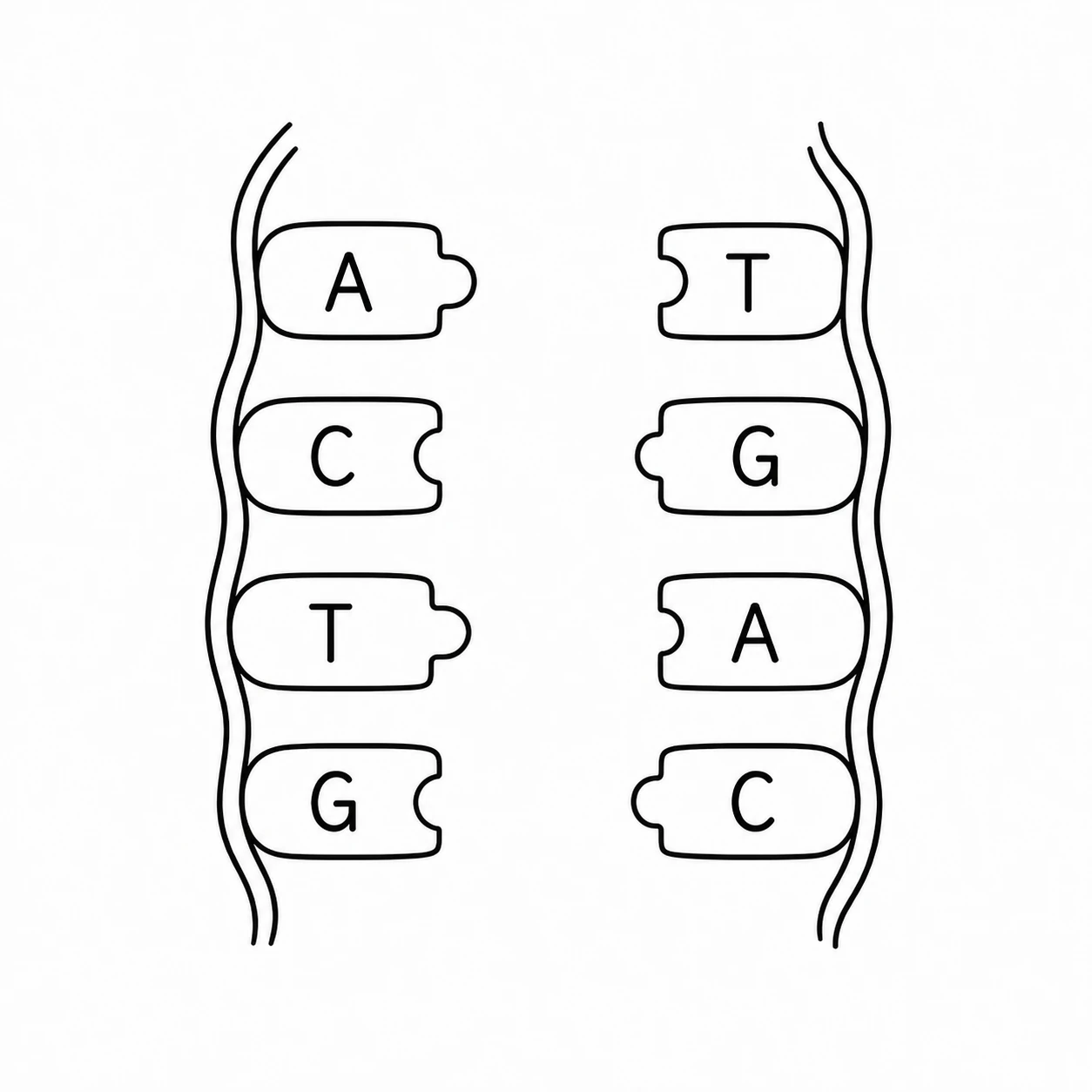
Each old strand becomes a guide. A always pairs with T, and C with G. With this simple rule, the cell can rebuild both missing sides.
Primase lays down a tiny RNA starter called a primer. DNA polymerase attaches at its end and begins adding matching letters.
DNA polymerase can build in only one direction. So one new strand grows in a continuous line, while the other is built in short pieces as the fork opens.
Behind the moving fork, the RNA primers are removed and replaced with DNA. Ligase seals the fragments into one strand, while polymerase checks each new letter as it works.
Each helix holds one original strand and one newly made strand. Now the cell is ready to divide, carrying the same instructions forward.
DNA is one of life's essential building blocks. Found inside nearly every cell in your body, it carries the instructions that help cells grow, repair themselves, and do their work.
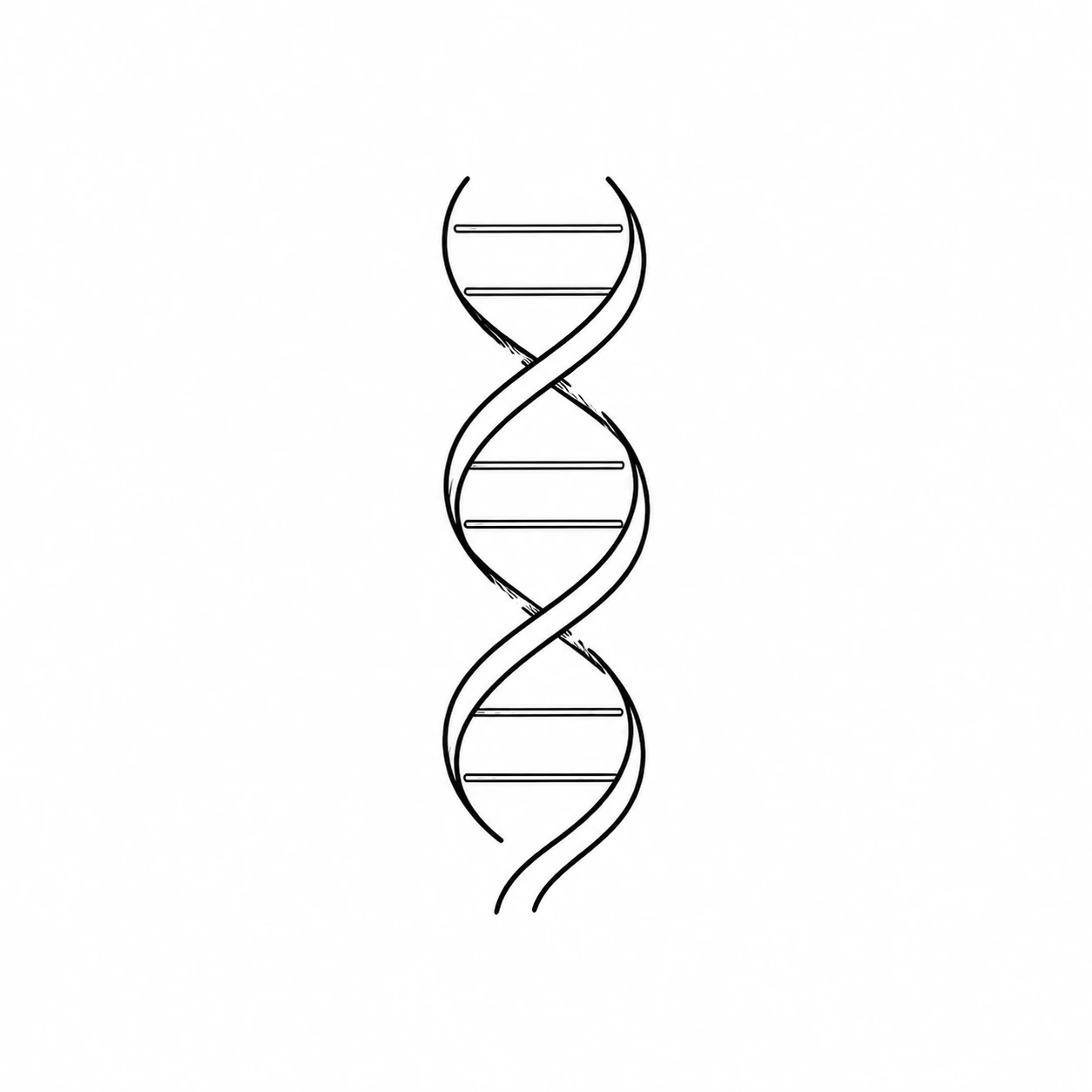
Human DNA is far too long to copy from one end. So the work begins at many points along the chromosomes. We will follow one.
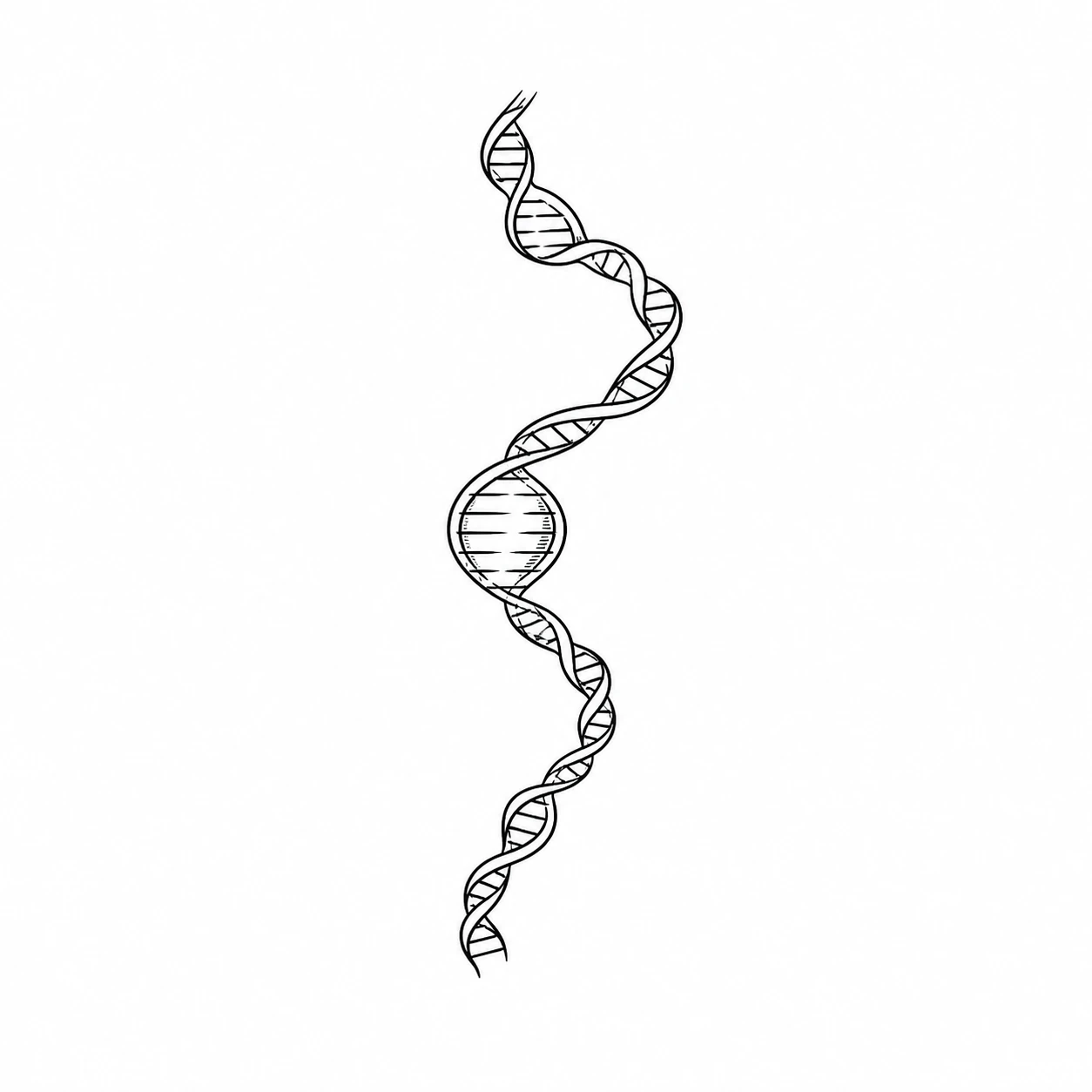
An enzyme releases the tension ahead. Then helicase opens the double helix into two strands, while small proteins hold the exposed DNA apart.
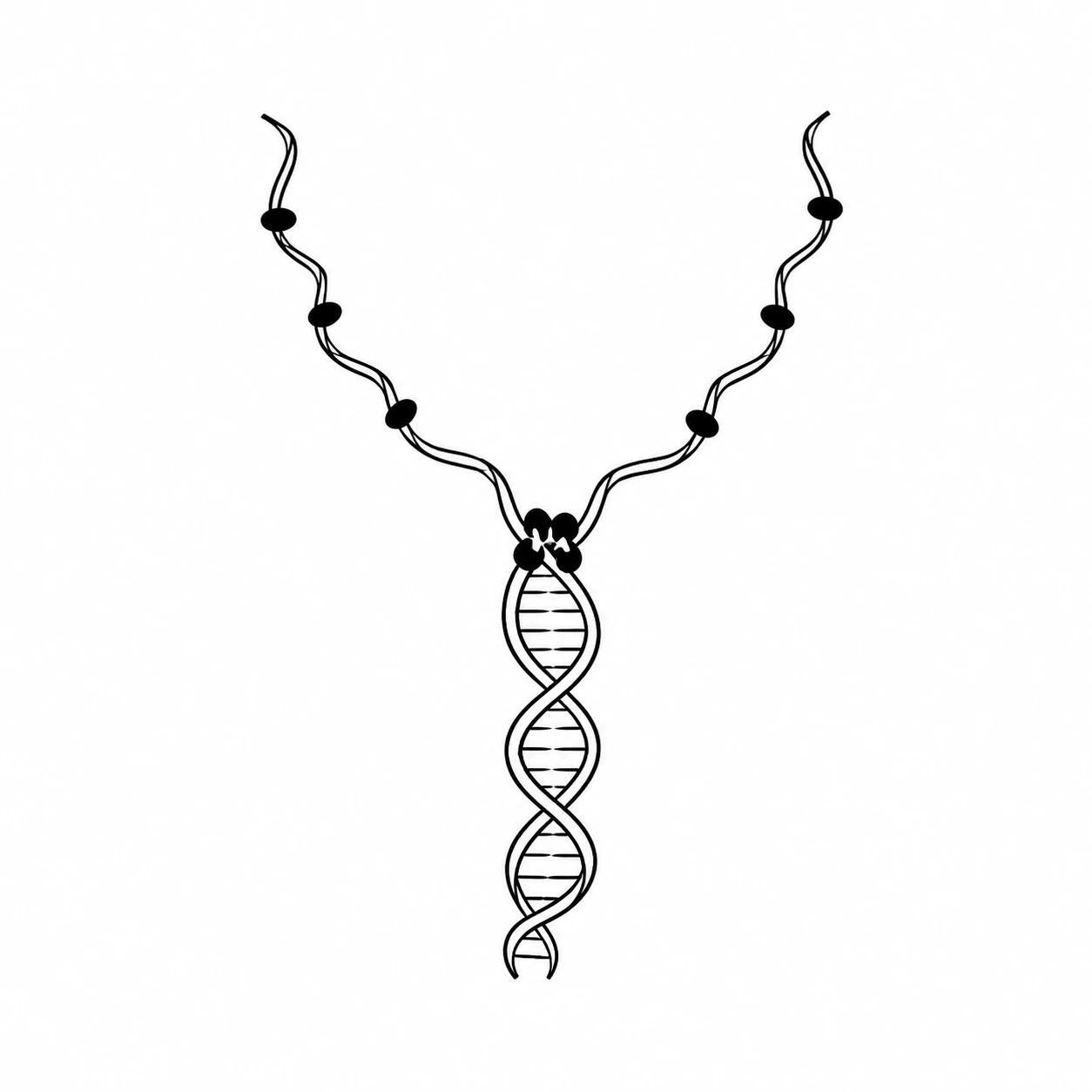
Each old strand becomes a guide. A always pairs with T, and C with G. With this simple rule, the cell can rebuild both missing sides.
Primase lays down a tiny RNA starter called a primer. DNA polymerase attaches at its end and begins adding matching letters.
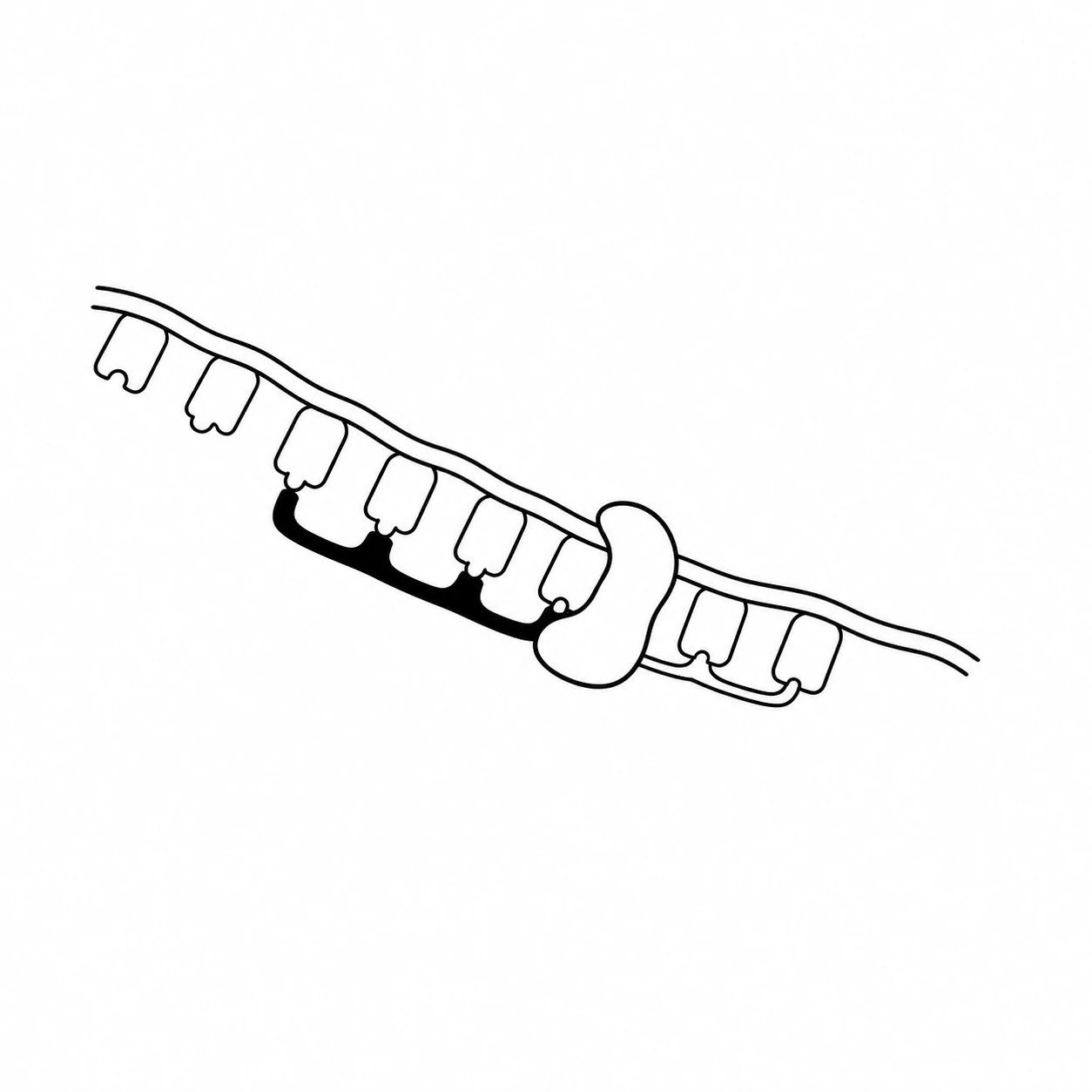
DNA polymerase can build in only one direction. So one new strand grows in a continuous line, while the other is built in short pieces as the fork opens.
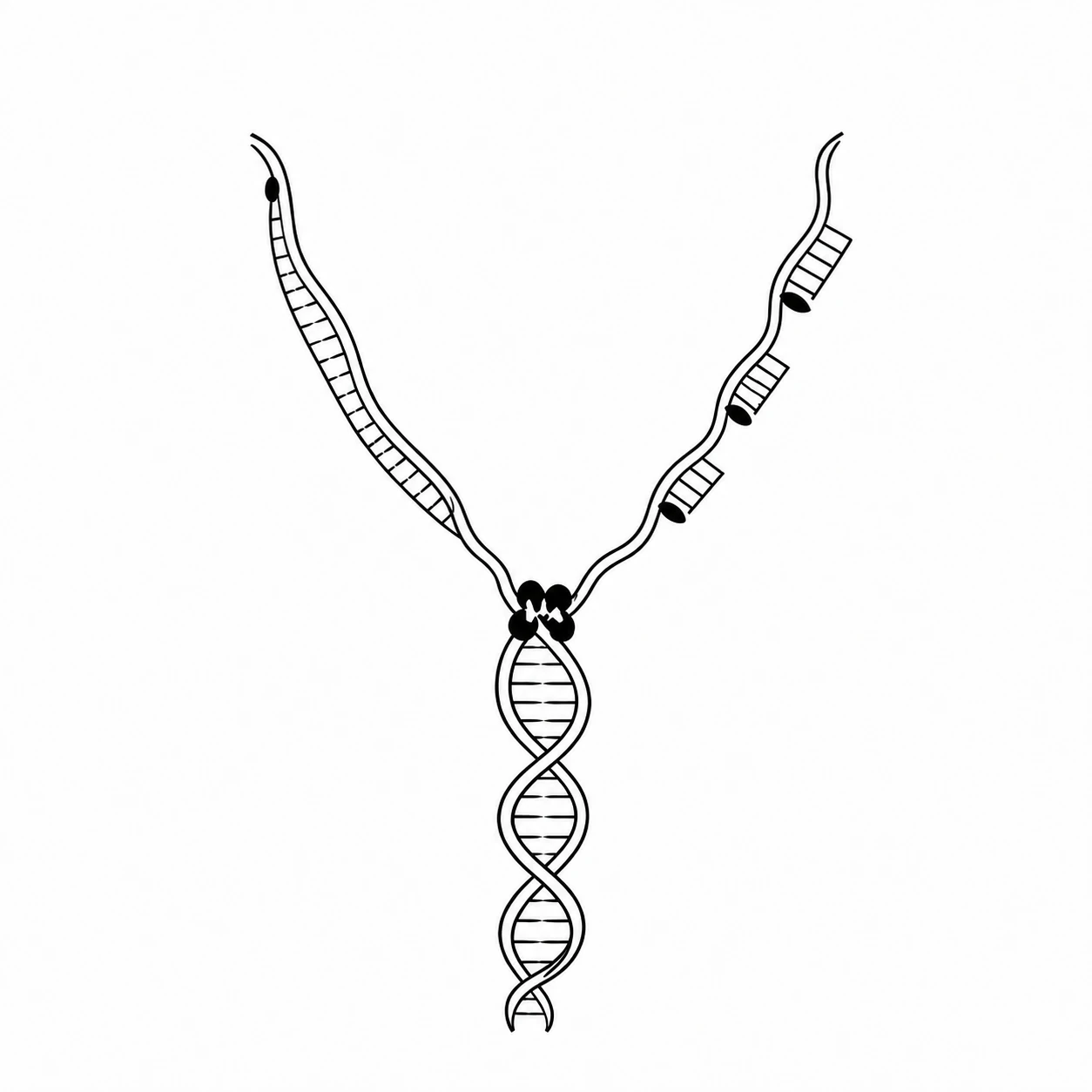
Behind the moving fork, the RNA primers are removed and replaced with DNA. Ligase seals the fragments into one strand, while polymerase checks each new letter as it works.
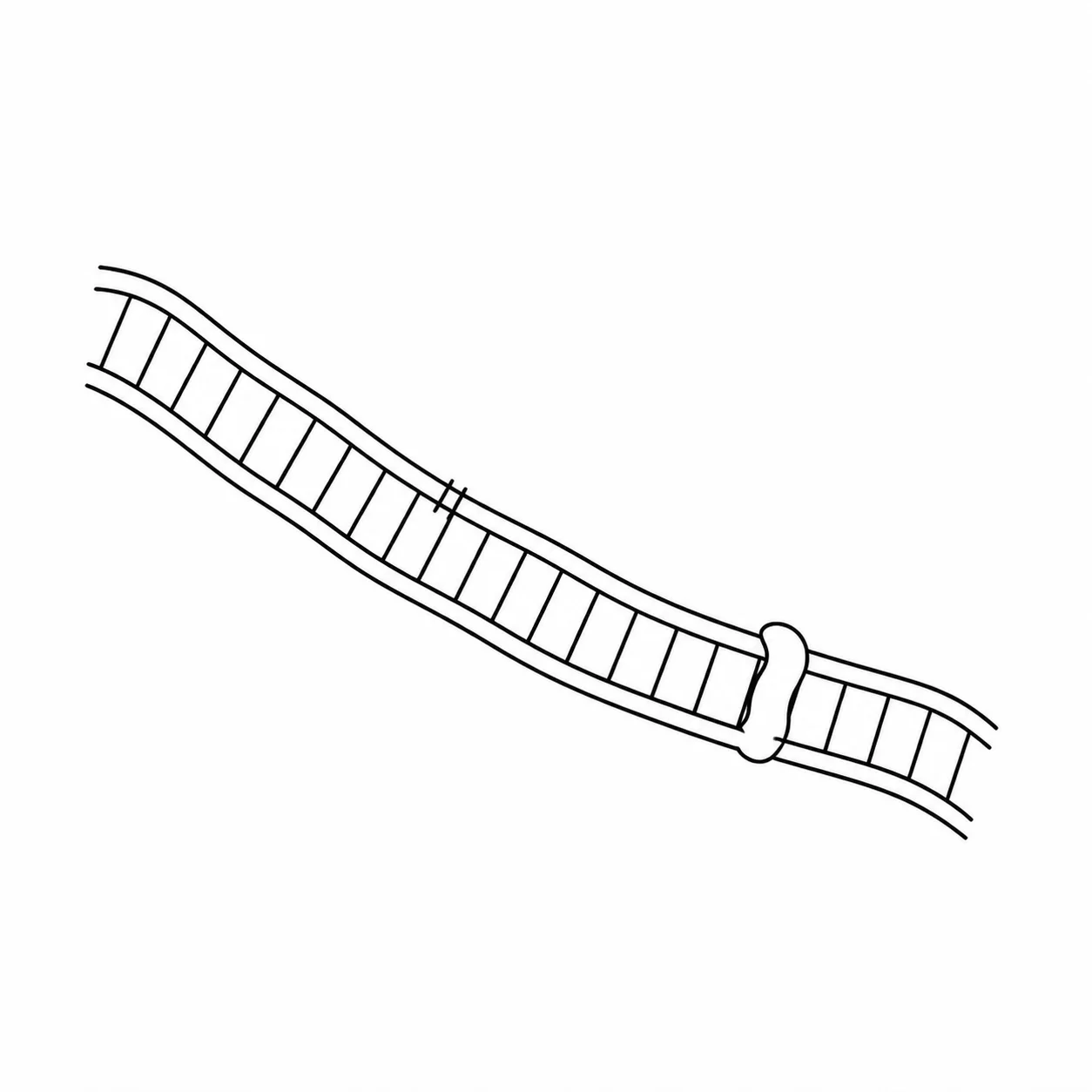
Each helix holds one original strand and one newly made strand. Now the cell is ready to divide, carrying the same instructions forward.
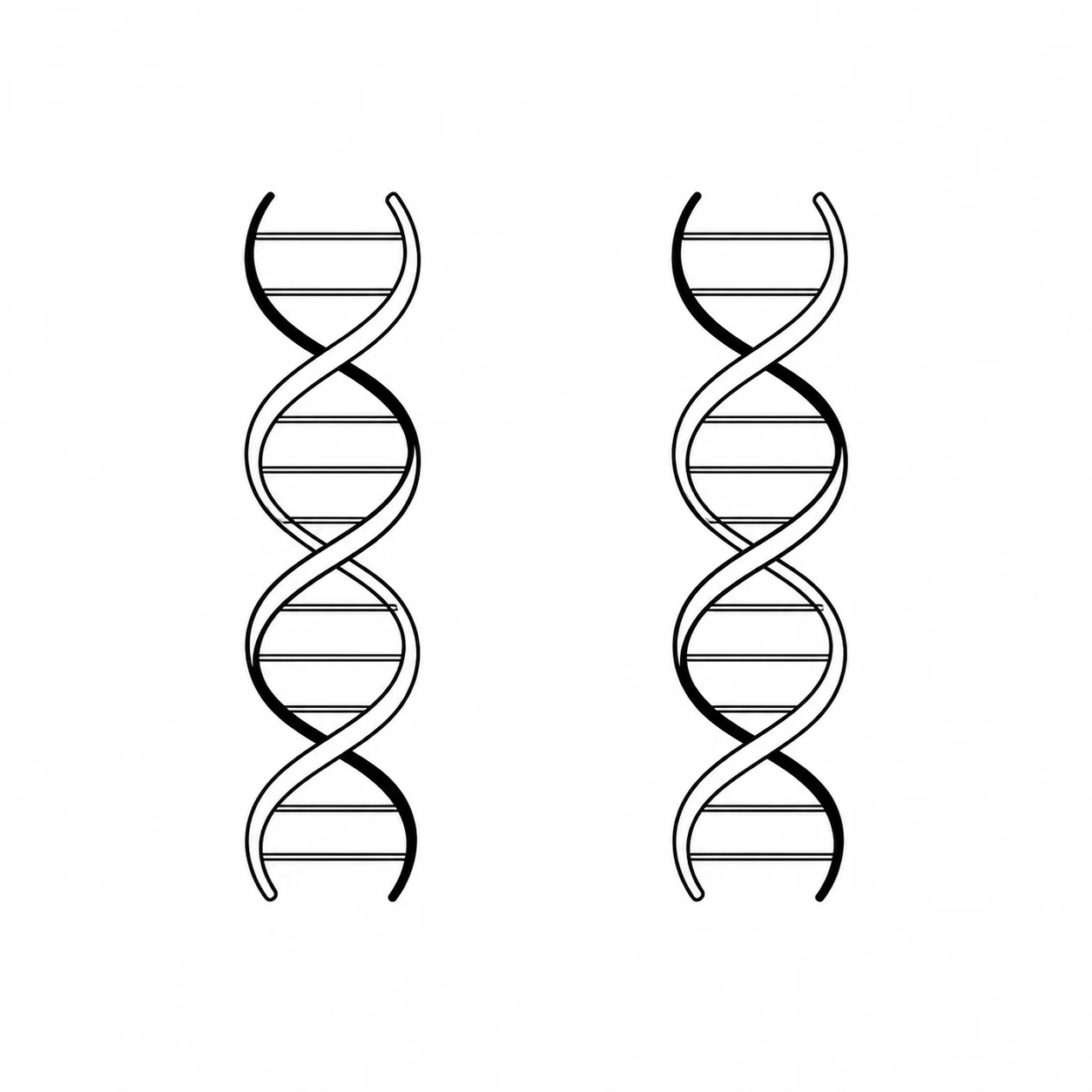
Two complete copies
The cell can now divide. Each new cell receives the same instructions, ready to grow, repair, and begin the cycle again.
Return to the beginning